
Why These Landmarks Beat the Top 10 Beaches in the World
Ditch the top 10 beaches in the world for these ten incredible mountain, city, and cultural landmarks. Includes real travel tips and drawbacks.

While many travelers search for the top 10 beaches in the world, coastal resorts are often overcrowded and overpriced. Heading inland to mountain ranges, historic cities, and scenic parks offers a much more diverse and rewarding travel experience. These ten alternative wonders provide better value and more reliable seasonal weather.
- 1Annapurna Massif, NepalExperienced hikers who want high altitude challenges.
- 2Ranthambore National Park, IndiaWildlife photographers and safari travelers.
- 3Kyoto, JapanCultural travelers interested in traditional architecture.
- 4Tokyo Skytree, JapanFirst-time visitors to Tokyo who want a birds eye view.
- 5Ha Long Bay, VietnamSlow travelers who enjoy boat cruises.
- 6Sydney Opera House, AustraliaArchitecture enthusiasts and performing arts fans.
- 7Sydney Harbour Bridge, AustraliaActive travelers who want great city views.
- 8Rovaniemi, FinlandFamilies and winter adventure seekers.
- 9Fiordland National Park, New ZealandHikers who do not mind wet weather.
- 10Queenstown, New Zealand, New ZealandThrill seekers and outdoor sports lovers.
We selected and ranked these ten global destinations based on active travel options, local weather stability, and overall crowd management. Each entry represents a world class alternative to a standard coastal vacation.
High Altitude Trekking in Nepal
The Annapurna Massif is a massive mountain range in northern Nepal. It features one peak over 8000 meters and fifteen others over 6000 meters. The entire massif spans 55 kilometers. It is bounded by the Kali Gandaki Gorge to the west and the Pokhara Valley to the south. This destination is worth the trip for serious trekkers. The western end of the massif contains the Annapurna Sanctuary, which is a high mountain basin. Annapurna I Main is the tenth highest mountain in the world at 8091 meters. The best months to visit are March, April, October, and November. During these months, the weather is dry and the skies are usually clear. This makes walking the trails safer and provides stable views of the peaks. A major drawback is the high physical demand and risk of altitude sickness. You must allow at least two weeks to complete the classic sanctuary trek. Helicopter evacuation is expensive if you get sick.
These are partner links. If you book through one we may earn a commission, at no extra cost to you. It does not change which places we pick.
Prices and availability come from GetYourGuide. If you book through one of these we may earn a commission, at no extra cost to you.
Tiger Safaris in Rajasthan

Ranthambore National Park is a wildlife reserve in the Indian state of Rajasthan. It covers an area of 1334 square kilometers. The Banas River runs along its northern border and the Chambal River lies to the south. The historic Ranthambore Fort sits inside the park boundaries. People travel here to see wild tigers in their natural habitat. The park is one of the most reliable places in India to spot these large cats. It also houses leopards, marsh crocodiles, and hundreds of bird species. The best months to visit are from October to November and from February to April. During these dry periods, vegetation is sparse, which makes spotting animals much easier. Jeep safaris are highly regulated and sell out months in advance. You will share the park with many other vehicles, which can make the experience feel crowded and noisy.
These are partner links. If you book through one we may earn a commission, at no extra cost to you. It does not change which places we pick.
Prices and availability come from GetYourGuide. If you book through one of these we may earn a commission, at no extra cost to you.
Historical Temples of Honshu

Kyoto is a major city in the Kansai region of Japan, located on the island of Honshu. It has a population of 1.46 million people. The city is the cultural center of a larger metropolitan area that includes Osaka and Kobe. It is one of the oldest municipalities in the country. The city is worth a trip because it preserved thousands of classical Buddhist temples, gardens, and imperial palaces. These structures survived the destruction of the second world war. It offers a direct look into traditional Japanese architecture and design. Plan your visit for March, April, October, or November. Spring brings cherry blossoms, while autumn offers colorful maple leaves. The weather during these months is mild and comfortable for walking. Overtourism is a severe problem here. Popular temples like Kinkakuji are packed with tour buses by late morning, making quiet contemplation impossible.
These are partner links. If you book through one we may earn a commission, at no extra cost to you. It does not change which places we pick.
Prices and availability come from GetYourGuide. If you book through one of these we may earn a commission, at no extra cost to you.
The Tallest Tower in Japan

Tokyo Skytree is a massive broadcasting and observation tower in Sumida, Tokyo. It stands at 634 meters tall, making it the tallest tower in the world. It is the third tallest structure on earth, sitting behind Merdeka 118 and the Burj Khalifa. The tower is worth visiting for its high observation decks that show the massive scale of the Tokyo metropolitan area. On clear days, you can see all the way to Mount Fuji. It serves as the primary television broadcast site for the Kanto region. April, May, October, and November are the best months to visit. These periods offer the highest chance of clear skies and low humidity, which increases visibility from the observation decks. Ticket prices are high, and the queues to get in can take over an hour. If the weather changes suddenly, clouds can completely block the view, and the tower does not offer refunds for poor visibility.
These are partner links. If you book through one we may earn a commission, at no extra cost to you. It does not change which places we pick.
Prices and availability come from GetYourGuide. If you book through one of these we may earn a commission, at no extra cost to you.
Limestone Karsts in Vietnam

Ha Long Bay is a large bay in northeastern Vietnam, managed by the Quang Ninh province. The name means descending dragon. It covers 1553 square kilometers and contains thousands of limestone karsts and islets. The area is a UNESCO World Heritage Site and is worth visiting to see the unusual rock formations rising from the water. Many visitors take overnight boat cruises to explore the deeper parts of the bay and its caves. The ideal months to visit are March, April, May, October, and November. These months avoid the extreme heat of summer and the heavy monsoons that can cancel boat trips. Water pollution is a significant issue in the bay. You will often see plastic trash and fuel oil floating near the tourist boats, which ruins the natural feel of the area.
These are partner links. If you book through one we may earn a commission, at no extra cost to you. It does not change which places we pick.
Prices and availability come from GetYourGuide. If you book through one of these we may earn a commission, at no extra cost to you.
Modern Architecture on Sydney Harbour
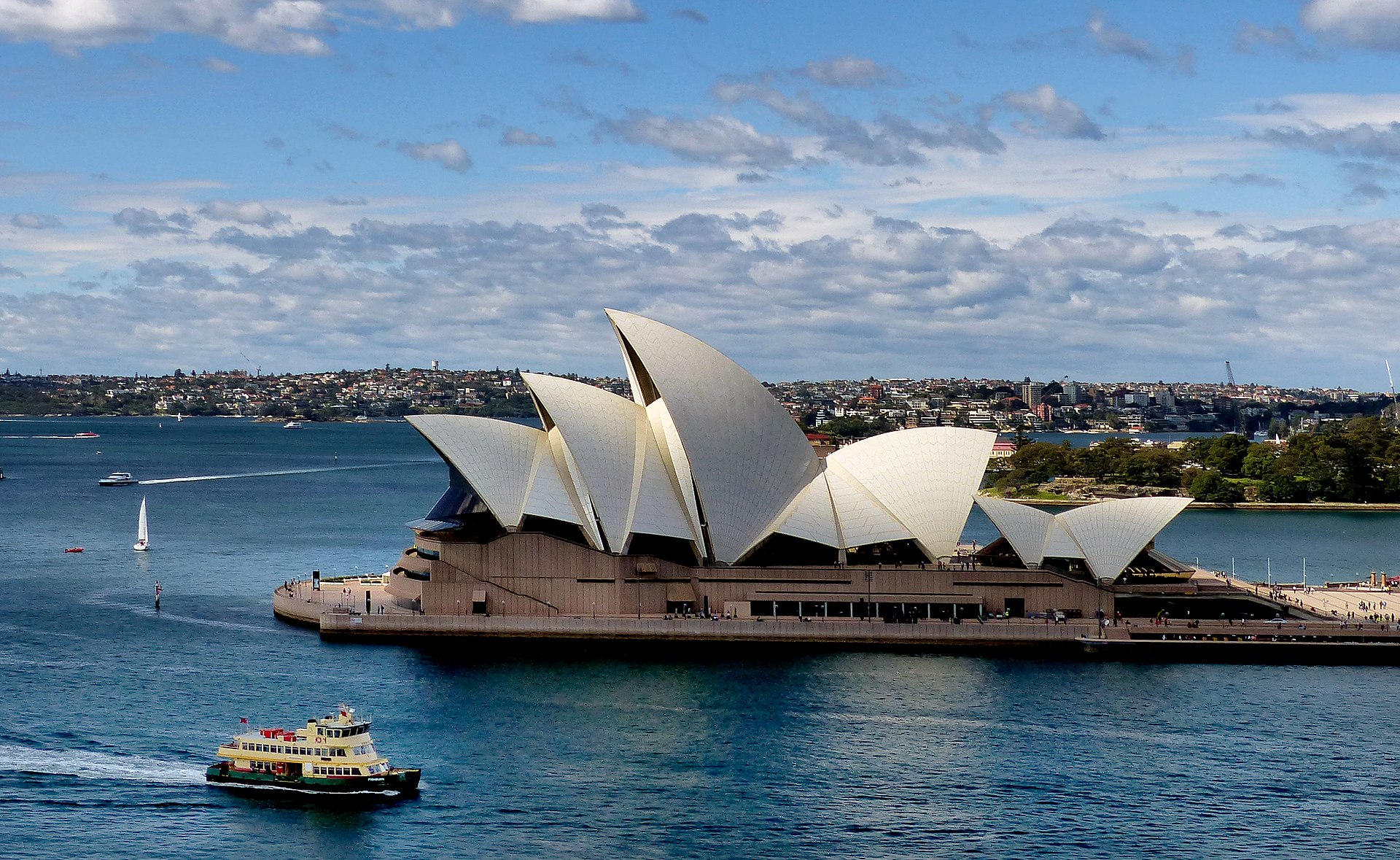
The Sydney Opera House is a performing arts center located on the foreshore of Sydney Harbour in Australia. Designed by Danish architect Jorn Utzon, it opened in 1973. It is recognized globally for its distinct white sails. It is worth visiting because it is one of the most famous buildings of the twentieth century. The venue hosts over forty performances a week, ranging from opera to modern music. February, March, April, October, and November are the best months to visit. The harbor weather is pleasant during these shoulder seasons, avoiding the intense heat of mid summer. The interior of some performance halls can feel dated compared to the modern exterior. Booking show tickets is expensive, and guided tours of the inside are often rushed.
These are partner links. If you book through one we may earn a commission, at no extra cost to you. It does not change which places we pick.
Prices and availability come from GetYourGuide. If you book through one of these we may earn a commission, at no extra cost to you.
The Steel Arch of Sydney

The Sydney Harbour Bridge is a massive steel arch bridge in Sydney, Australia. It connects the central business district with the North Shore. Locals call it the Coathanger because of its arch design. It carries trains, cars, bicycles, and pedestrians. The bridge is worth a visit because it offers some of the best views of the harbor and the nearby opera house. You can walk across the pedestrian pathway for free, or pay to climb to the top of the arch. February, March, April, October, and November offer the most comfortable weather for walking or climbing. You will avoid the winter winds and the hot summer sun. The official bridge climb is very expensive, often costing hundreds of dollars per person. You are also not allowed to take your own camera or phone on the climb for safety reasons.
These are partner links. If you book through one we may earn a commission, at no extra cost to you. It does not change which places we pick.
Prices and availability come from GetYourGuide. If you book through one of these we may earn a commission, at no extra cost to you.
The Capital of Finnish Lapland

Rovaniemi is a city in northern Finland, located right on the edge of the Arctic Circle. It has a population of about 66000 people. It serves as the administrative and commercial hub of the Lapland province. People travel here to experience the Arctic environment, see the northern lights, and visit the official home of Santa Claus. It offers winter activities like dog sledding, snowmobiling, and reindeer farm visits. The best months to visit are December, January, February, and March. During these months, snow cover is guaranteed, and the dark skies provide excellent opportunities to spot the aurora borealis. Winter temperatures routinely drop below minus twenty degrees Celsius. The city gets highly commercialized around Christmas, leading to very high hotel prices and crowded attractions.
These are partner links. If you book through one we may earn a commission, at no extra cost to you. It does not change which places we pick.
Prices and availability come from GetYourGuide. If you book through one of these we may earn a commission, at no extra cost to you.
Glacier Carved Valleys in New Zealand

Fiordland National Park occupies the southwest corner of New Zealand's South Island. It is the largest national park in the country, covering 12607 square kilometers. The park features deep valleys carved by ancient glaciers and steep mountain ranges. It is worth the trip because it is a major refuge for rare native birds, including the takahe and the kakapo. It offers some of the most dramatic wilderness hiking in the Southern Hemisphere, including the famous Milford Track. The best months to visit are December, January, February, and March. This is the southern summer, which brings warmer temperatures and longer daylight hours. Rainfall is extremely high here, with some areas receiving over seven meters of rain annually. Sandflies are a persistent nuisance and will bite any exposed skin.
These are partner links. If you book through one we may earn a commission, at no extra cost to you. It does not change which places we pick.
Prices and availability come from GetYourGuide. If you book through one of these we may earn a commission, at no extra cost to you.
Adventure Capital on Lake Wakatipu

Queenstown is a resort town in the Otago region of New Zealand's South Island. It sits on the edge of Lake Wakatipu, a long S shaped lake. The town is surrounded by mountains like the Remarkables and Cecil Peak. It is worth visiting because it is the birthplace of commercial bungy jumping and offers a massive range of adventure sports. You can skydive, ride jet boats, or ski in the nearby mountains. December, January, February, and March are the best months for summer activities and lake sports. The weather is warm, and the days are long. The town has become highly commercialized and expensive. Traffic congestion is common on the narrow entry roads, and finding parking in the center is difficult.
These are partner links. If you book through one we may earn a commission, at no extra cost to you. It does not change which places we pick.
Prices and availability come from GetYourGuide. If you book through one of these we may earn a commission, at no extra cost to you.
These search Amazon. If you buy through one we may earn a small commission, at no extra cost to you. It changes nothing about which places are on this site or what is said about them.
Planning a trip to these landmarks requires careful timing to match the local seasons. Focus on booking your permits and lodging early to secure the best rates. Your next major journey does not need to involve a crowded shoreline.
Questions people ask
Are these destinations more expensive than the top 10 beaches in the world?
Some locations like Tokyo and Sydney have high living costs, but others like Nepal and Vietnam are highly affordable. Overall, inland and mountain trips often offer better value for lodging and food than premium beach resorts.
What is the best time of year to visit these landmarks?
The ideal months vary by region, but spring and autumn are generally best for the Asian destinations. The Oceania spots are most comfortable during their summer months from December to March.
Do I need special permits to hike in Fiordland or Annapurna?
Yes, both destinations require specific passes. Annapurna requires trekking permits and conservation area fees, while Fiordland requires advance bookings for its major multi day walking tracks.
Can I see wildlife at Ranthambore National Park throughout the year?
No, the park closes entirely during the monsoon season from July to September. The dry months of October through April offer the best conditions for spotting tigers.
How many days should I spend in Kyoto?
You should plan to spend at least three full days in Kyoto to see the main historic temples. This allows you to travel at a slower pace and visit the popular sites during early morning hours when crowds are thinner.
Hotel search by Trip.com. If you book through it we may earn a commission, at no extra cost to you.
Been there?
If you have been to any of these, say what it was really like. What you write helps the next person more than anything we can write.